
A shower enclosure can look premium on installation day and visibly neglected a few weeks later if hard water, soap residue, and daily use are allowed to bond to the glass. The same issue affects vehicle windshields, storefronts, railings, and exterior glazing. Effective glass protection changes that maintenance cycle by making silica-based surfaces more resistant to water, mineral deposits, staining, and buildup.
For property owners, that means less scrubbing and a cleaner appearance. For fabricators, dealers, glaziers, and automotive professionals, it creates a more differentiated offering with a credible long-term maintenance story. The real value is not simply a surface that beads water. It is a surface system that helps preserve appearance, reduce labor, and support performance after installation.
What Glass Protection Is Designed to Do
Glass is often treated as if it were perfectly smooth and nonporous. Under magnification, however, untreated glass contains microscopic peaks and valleys that can hold water, minerals, soap scum, environmental contaminants, and other residues. Once those contaminants dry on the surface, they can form stains and deposits that become progressively harder to remove.
A high-performance hydrophobic coating is engineered to modify the surface at a microscopic level. Rather than functioning like a temporary topical film, a properly applied protective coating is designed to bond with the glass and create a more water-repellent surface. Water sheets or beads more readily, carrying away a portion of the dirt and contaminants that would otherwise remain behind.
This does not make glass maintenance-free. No coating can prevent every contaminant, eliminate improper cleaning practices, or reverse existing damage. What it can do is reduce how strongly common contaminants adhere, making routine cleaning faster and helping the surface retain its intended clarity and finish.
Why Water Spots Become a Cost Problem
Hard-water spotting is often discussed as an appearance issue, but it is also an operational expense. In hospitality, multifamily, healthcare, retail, and commercial facilities, cleaning teams may spend significant time addressing shower glass, interior partitions, entry doors, and exterior glazing. Repeated use of abrasive pads, harsh chemicals, or unsuitable tools can further damage the surface and make future buildup even more likely.
For residential shower-door providers, callbacks related to spotting and soap scum can undermine a high-value installation. Automotive dealers face a similar challenge when a windshield or side glass loses clarity after rain, road spray, or wash cycles. Architectural teams must consider not only initial appearance but also the ongoing maintenance burden of railings, facades, skylights, and glass barriers.
Glass protection helps shift the equation. By reducing the adhesion of waterborne minerals and residue, it can lower cleaning frequency, shorten cleaning time, and reduce reliance on aggressive restoration methods. Those savings vary by environment, water quality, traffic, and maintenance practices, but the principle is consistent: surfaces that release contaminants more easily cost less effort to keep presentable.
Glass Protection by Application
Shower Doors and Interior Glass
Shower glass is among the most demanding applications because it is exposed to water, heat, body oils, shampoo, soap, and mineral-rich runoff every day. When untreated, the surface can develop stubborn white deposits, dullness, and cloudy areas that distract from the design of the bathroom.
A hydrophobic coating supports a cleaner shower enclosure by helping water run off the surface and reducing the opportunity for minerals and soap residue to bond. The user experience is straightforward: squeegee when appropriate, clean with compatible aftercare products, and avoid abrasive cleaners that can damage both the glass and its protective treatment.
For shower-door manufacturers and dealers, protection can also be a practical point of differentiation. It allows the installation to be positioned as a lower-maintenance glass solution rather than a product that looks exceptional only when new.
Automotive Glass
Visibility is the central performance concern for automotive glass. Rain, road grime, insects, and mineral residue can compromise a driver’s view, particularly at night or in poor weather. A water-repellent treatment can improve water behavior on the windshield and help make routine cleaning more efficient.
The benefit depends on driving conditions, wiper condition, washer-fluid use, and the quality of surface preparation before application. A coating should never be presented as a substitute for safe driving practices, functional wipers, or routine vehicle maintenance. It is an added surface-performance measure that can support clearer glass and a more polished ownership experience.
For dealerships and detailing operations, treated glass is also a visible upgrade that customers can recognize quickly. When supported with clear aftercare guidance, it can strengthen both delivery quality and service revenue.
Architectural and Commercial Glazing
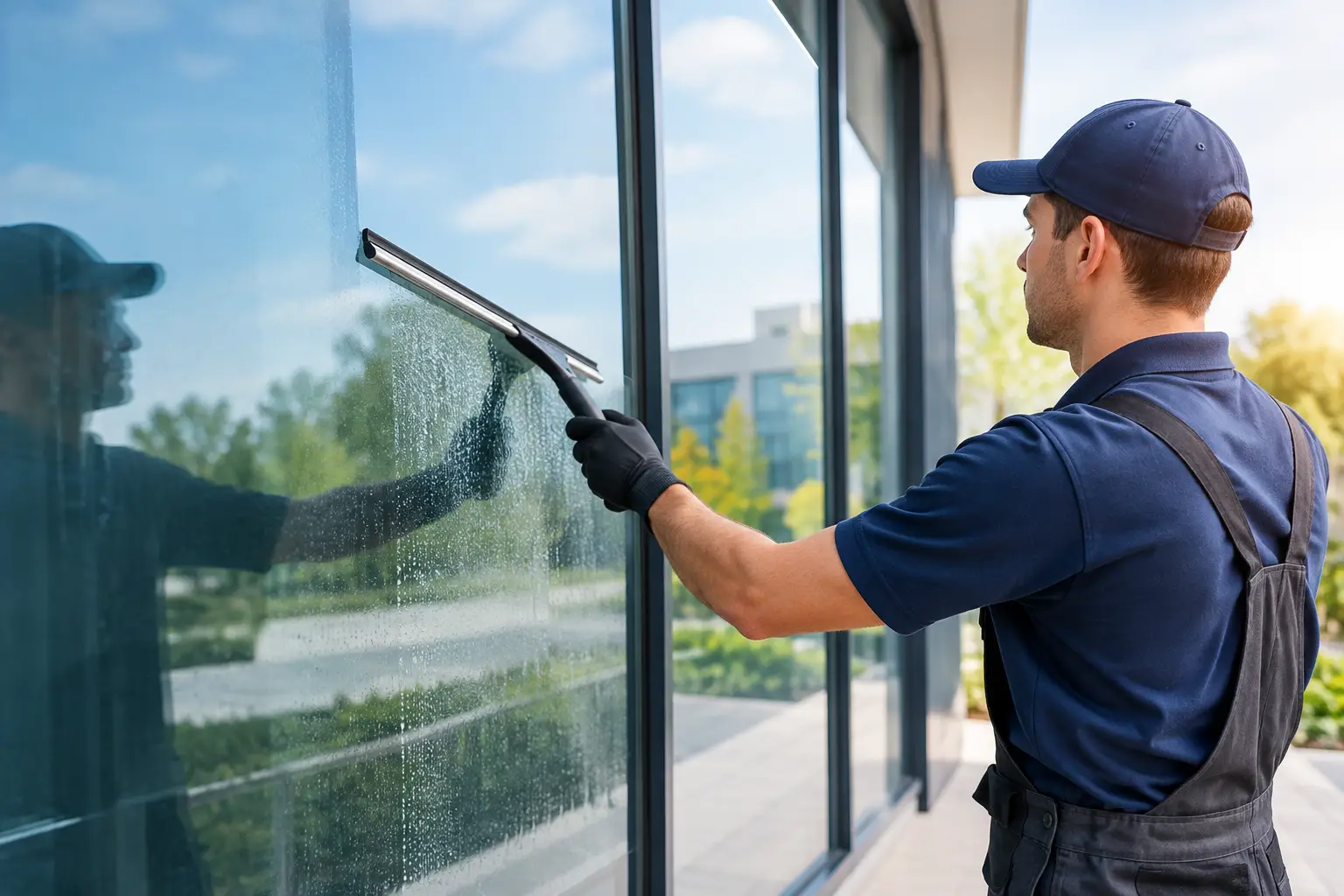
Exterior glass is exposed to rain, pollution, dust, salt air, construction residue, and irrigation overspray. Interior glazing faces fingerprints, cleaning-product residue, and high-touch use. On large projects, the cost of accessing and maintaining glass can be as significant as the cost of the glass itself.
Architectural glass protection should be evaluated early, before fabrication and installation decisions are finalized. The appropriate approach depends on the glass type, location, exposure, cleaning access, and project requirements. A coating program may be applied in a controlled factory environment or onsite, depending on the project and production workflow.
For commercial decision-makers, the advantage is not just a cleaner facade. It is a lifecycle conversation: how can the installed surface remain easier to maintain, retain a better appearance, and require fewer labor-intensive interventions over time?
Surface Preparation Determines Performance
The coating is only one part of the result. Surface preparation is equally important. Glass with existing mineral deposits, silicone contamination, adhesive residue, oxidation, or etching may require restoration before protection is applied. Applying a coating over contamination can limit uniformity and leave the underlying problem visible.
This is why a complete protection program should include assessment, restoration where needed, application controls, and maintenance guidance. For production environments, consistency also depends on equipment calibration, handling procedures, throughput requirements, and quality checks. A coating process that works on a few panels by hand may not be the right solution for high-volume fabrication without reliable machinery and process support.
Diamon-Fusion International has built its platform around this full-system approach, combining patented coating technology with application machinery, restoration products, aftercare solutions, and support for partners serving multiple glass markets.
Choosing the Right Protection Strategy
Not every glass surface has the same needs. A residential shower door, a dealership windshield program, and a coastal architectural railing may all benefit from protective technology, but their exposure conditions and maintenance plans are different.
Before selecting a solution, evaluate the substrate, existing surface condition, expected contaminants, application environment, and maintenance expectations. Ask whether the coating is intended to be applied at the factory, during installation, or after restoration. Consider how cleaning teams or end users will be instructed to care for the treated surface. Warranty terms and documented application procedures also matter, especially for projects where accountability and repeatable results are essential.
The least expensive option at installation is not always the lowest-cost option over the life of the surface. A system that reduces callbacks, protects visual quality, and makes cleaning more efficient can produce stronger value than a short-lived treatment that requires frequent reapplication.
Maintenance Still Matters
Protected glass performs best when users follow sensible care practices. Regular removal of loose dirt, prompt attention to overspray or contaminants, and use of compatible cleaning products help preserve surface performance. Abrasive powders, harsh scouring pads, and unapproved chemicals can damage glass or diminish the coating’s effectiveness.
For commercial facilities, standardized maintenance instructions are especially useful. They reduce variation among cleaning crews and help protect the investment in treated surfaces. For homeowners and vehicle owners, clear aftercare recommendations remove guesswork and prevent the common mistake of treating protected glass with the same aggressive methods used on neglected, untreated surfaces.
A well-chosen glass protection program should make care simpler, not more complicated. The best next step is to match the coating, application method, and maintenance plan to the actual conditions the glass will face after installation.