
What Does Hydrophobic Mean? The Benefits of Hydrophobic Coatings
TL;DR: Wondering what does hydrophobic mean and why it matters? This blog explains the science behind hydrophobic surfaces and the real-world benefits of hydrophobic coatings.
- Learn the definition of hydrophobic and how water molecules behave on a hydrophobic surface
- Understand how hydrophobic coatings repel water by forming water droplets that roll away
- Discover the benefits of hydrophobic coatings, including easier cleaning and surface protection
- Explore common hydrophobic materials and where hydrophobic technology is used
- See how water-repelling surfaces help prevent stains, corrosion, and moisture damage
You’ve probably seen water bead up and roll off a surface and wondered how that’s possible. That effect isn’t accidental—it’s science at work. To understand why it happens and why it matters, let’s start with a simple question: what does hydrophobic mean?
In this guide, we’ll break down the hydrophobic meaning, explain the definition of hydrophobic, and explore the real-world benefits of hydrophobic coatings across everyday and industrial applications.
What Does Hydrophobic Mean?
The word “hydrophobic” comes from Greek roots meaning “water-fearing.” In practical terms, the definition of hydrophobic refers to materials or surfaces that resist or repel water instead of absorbing it.
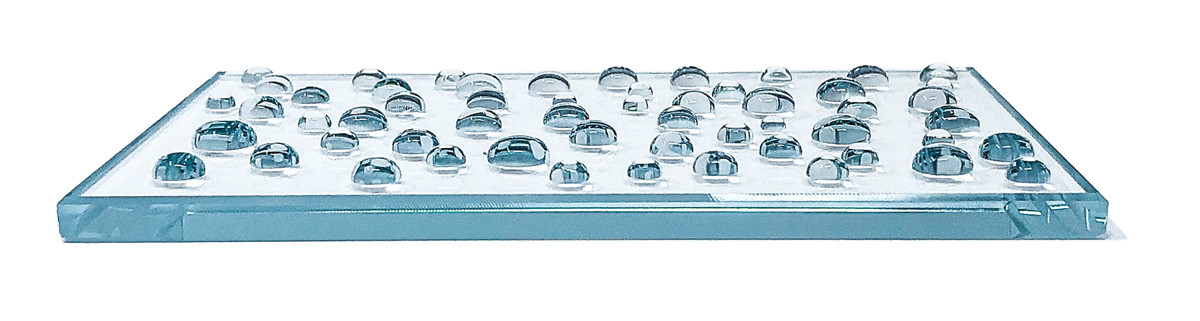
So when people ask, what does hydrophobic mean, the simplest answer is this: it describes a surface that doesn’t like water. Instead of spreading out, water droplets stay rounded and move away easily.
This behavior happens because water molecules are more attracted to each other than they are to a hydrophobic surface. As a result, water beads up rather than sticking.
What Is a Hydrophobic Coating?
A hydrophobic coating is a thin, often invisible layer applied to a surface to make it water resistant or water repelling. These coatings change how the surface interacts with water at a microscopic level.
When applied, hydrophobic coatings create a smoother surface structure. This reduces surface energy, making it harder for water molecules to bond. Instead of spreading, moisture forms tight water droplets that roll off with gravity or airflow.
These coatings can be applied to glass, metal, ceramics, fabrics, plastics, and more, making them incredibly versatile.
How Hydrophobic Surfaces Work
A hydrophobic surface doesn’t just repel water by chance. It relies on two main factors:
- Surface chemistry: The coating alters molecular attraction so water can’t cling easily.
- Surface texture: Microscopic peaks and valleys reduce the contact area between water and the surface.
Together, these factors allow water to bead, slide, and fall away instead of soaking in or spreading out.
Common Hydrophobic Materials
Many hydrophobic materials occur naturally or are engineered for performance. Examples include:
- Treated glass and ceramics
- Coated metals
- Waterproof fabrics
- Certain plastics and polymers
- Leaves like lotus plants (a famous natural hydrophobic surface)
Modern technology has expanded these natural principles into advanced hydrophobic coatings used across countless industries.
Benefits of Hydrophobic Coatings
Understanding the benefits of hydrophobic technology helps explain why it’s become so popular.
1. Repels Water and Moisture
The most obvious advantage is the ability to repel water. Because moisture can’t cling to the surface, it rolls away quickly—taking dirt and debris with it.
2. Easier Cleaning and Maintenance
One of the biggest benefits of hydrophobic coatings is reduced cleaning time. When water, grime, and contaminants can’t stick, surfaces stay cleaner longer and are easier to wipe down.
3. Protection Against Stains and Damage
By preventing moisture from settling, hydrophobic coatings help protect surfaces from:
- Water spots
- Mineral buildup
- Corrosion
- Mold and mildew growth
This makes them ideal for environments exposed to rain, humidity, or frequent washing.
4. Improved Visibility on Glass
On glass surfaces, hydrophobic coatings dramatically improve visibility. Water beads off quickly, reducing streaks, glare, and distortion caused by rain or condensation.
5. Extended Surface Lifespan
By reducing exposure to moisture and contaminants, hydrophobic treatments help extend the lifespan of treated materials. This long-term protection is a major reason these coatings are used in automotive, architectural, and industrial settings.
Where Hydrophobic Coatings Are Used
Thanks to their versatility, hydrophobic coatings are used in many everyday and professional applications, including:
- Glass surfaces like windows, shower doors, and windshields
- Building materials and exterior surfaces
- Automotive glass and paint protection
- Electronics and sensitive equipment
- Textiles and performance fabrics
Anywhere water causes problems, a hydrophobic surface offers a smart solution.
Hydrophobic vs. Waterproof: What’s the Difference?
Although often confused, hydrophobic doesn’t always mean waterproof. Waterproof materials block water entirely, while water repelling surfaces allow water to contact the surface but prevent it from sticking or soaking in.
In many cases, hydrophobic technology complements waterproofing by reducing moisture exposure and improving durability.
The Bottom Line
So, what does hydrophobic mean in practical terms? It means smarter surface protection, less maintenance, and better performance in wet conditions. From understanding the hydrophobic meaning to seeing the real-world benefits of hydrophobic coatings, it’s clear why this technology is in such high demand.
By manipulating how water molecules behave on a surface, hydrophobic treatments create cleaner, longer-lasting, and more resilient materials—proving that sometimes, the best way to handle water is not to let it stick at all.
About Diamon-Fusion International
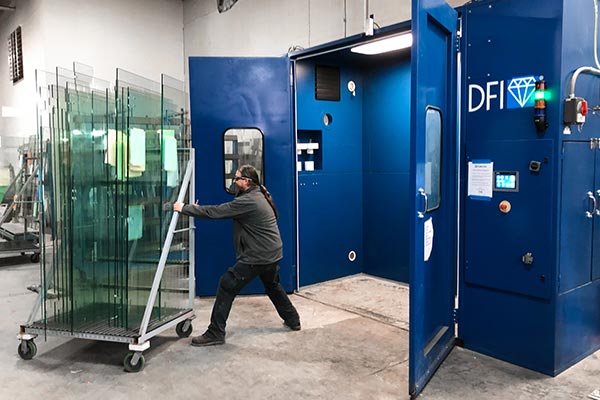
Diamon-Fusion International (DFI) is one of the largest hydrophobic coating suppliers in the world. The company specializes in the development of easy-to-clean, protective coatings, restoration products, and automated machinery for the glass industry, as well as other silica-based surfaces.
Social Media Channels
TL;DR: Wondering what does hydrophobic mean and why it matters? This blog explains the science behind hydrophobic surfaces and the real-world benefits of hydrophobic coatings.
- Learn the definition of hydrophobic and how water molecules behave on a hydrophobic surface
- Understand how hydrophobic coatings repel water by forming water droplets that roll away
- Discover the benefits of hydrophobic coatings, including easier cleaning and surface protection
- Explore common hydrophobic materials and where hydrophobic technology is used
- See how water-repelling surfaces help prevent stains, corrosion, and moisture damage
You’ve probably seen water bead up and roll off a surface and wondered how that’s possible. That effect isn’t accidental—it’s science at work. To understand why it happens and why it matters, let’s start with a simple question: what does hydrophobic mean?
In this guide, we’ll break down the hydrophobic meaning, explain the definition of hydrophobic, and explore the real-world benefits of hydrophobic coatings across everyday and industrial applications.
What Does Hydrophobic Mean?
The word “hydrophobic” comes from Greek roots meaning “water-fearing.” In practical terms, the definition of hydrophobic refers to materials or surfaces that resist or repel water instead of absorbing it.
So when people ask, what does hydrophobic mean, the simplest answer is this: it describes a surface that doesn’t like water. Instead of spreading out, water droplets stay rounded and move away easily.
This behavior happens because water molecules are more attracted to each other than they are to a hydrophobic surface. As a result, water beads up rather than sticking.
What Is a Hydrophobic Coating?
A hydrophobic coating is a thin, often invisible layer applied to a surface to make it water resistant or water repelling. These coatings change how the surface interacts with water at a microscopic level.
When applied, hydrophobic coatings create a smoother surface structure. This reduces surface energy, making it harder for water molecules to bond. Instead of spreading, moisture forms tight water droplets that roll off with gravity or airflow.
These coatings can be applied to glass, metal, ceramics, fabrics, plastics, and more, making them incredibly versatile.
How Hydrophobic Surfaces Work
A hydrophobic surface doesn’t just repel water by chance. It relies on two main factors:
- Surface chemistry: The coating alters molecular attraction so water can’t cling easily.
- Surface texture: Microscopic peaks and valleys reduce the contact area between water and the surface.
Together, these factors allow water to bead, slide, and fall away instead of soaking in or spreading out.
Common Hydrophobic Materials
Many hydrophobic materials occur naturally or are engineered for performance. Examples include:
- Treated glass and ceramics
- Coated metals
- Waterproof fabrics
- Certain plastics and polymers
- Leaves like lotus plants (a famous natural hydrophobic surface)
Modern technology has expanded these natural principles into advanced hydrophobic coatings used across countless industries.
Benefits of Hydrophobic Coatings
Understanding the benefits of hydrophobic technology helps explain why it’s become so popular.
1. Repels Water and Moisture
The most obvious advantage is the ability to repel water. Because moisture can’t cling to the surface, it rolls away quickly—taking dirt and debris with it.
2. Easier Cleaning and Maintenance
One of the biggest benefits of hydrophobic coatings is reduced cleaning time. When water, grime, and contaminants can’t stick, surfaces stay cleaner longer and are easier to wipe down.
3. Protection Against Stains and Damage
By preventing moisture from settling, hydrophobic coatings help protect surfaces from:
- Water spots
- Mineral buildup
- Corrosion
- Mold and mildew growth
This makes them ideal for environments exposed to rain, humidity, or frequent washing.
4. Improved Visibility on Glass
On glass surfaces, hydrophobic coatings dramatically improve visibility. Water beads off quickly, reducing streaks, glare, and distortion caused by rain or condensation.
5. Extended Surface Lifespan
By reducing exposure to moisture and contaminants, hydrophobic treatments help extend the lifespan of treated materials. This long-term protection is a major reason these coatings are used in automotive, architectural, and industrial settings.
Where Hydrophobic Coatings Are Used
Thanks to their versatility, hydrophobic coatings are used in many everyday and professional applications, including:
- Glass surfaces like windows, shower doors, and windshields
- Building materials and exterior surfaces
- Automotive glass and paint protection
- Electronics and sensitive equipment
- Textiles and performance fabrics
Anywhere water causes problems, a hydrophobic surface offers a smart solution.
Hydrophobic vs. Waterproof: What’s the Difference?
Although often confused, hydrophobic doesn’t always mean waterproof. Waterproof materials block water entirely, while water repelling surfaces allow water to contact the surface but prevent it from sticking or soaking in.
In many cases, hydrophobic technology complements waterproofing by reducing moisture exposure and improving durability.
The Bottom Line
So, what does hydrophobic mean in practical terms? It means smarter surface protection, less maintenance, and better performance in wet conditions. From understanding the hydrophobic meaning to seeing the real-world benefits of hydrophobic coatings, it’s clear why this technology is in such high demand.
By manipulating how water molecules behave on a surface, hydrophobic treatments create cleaner, longer-lasting, and more resilient materials—proving that sometimes, the best way to handle water is not to let it stick at all.
READY TO PROTECT YOUR SHOWER GLASS?
Diamon-Fusion® is available through a network of Certified Diamon-Fusion® Dealers throughout the country who are professionally trained and equipped to protect your shower doors. For new shower door applications, please use the Online Dealer Locator below. For existing glass applications, please visit www.shopdfi.com.


About Diamon-Fusion International
Diamon-Fusion International (DFI) is one of the largest hydrophobic coating suppliers in the world. The company specializes in the development of easy-to-clean, protective coatings, restoration products, and automated machinery for the glass industry, as well as other silica-based surfaces.