
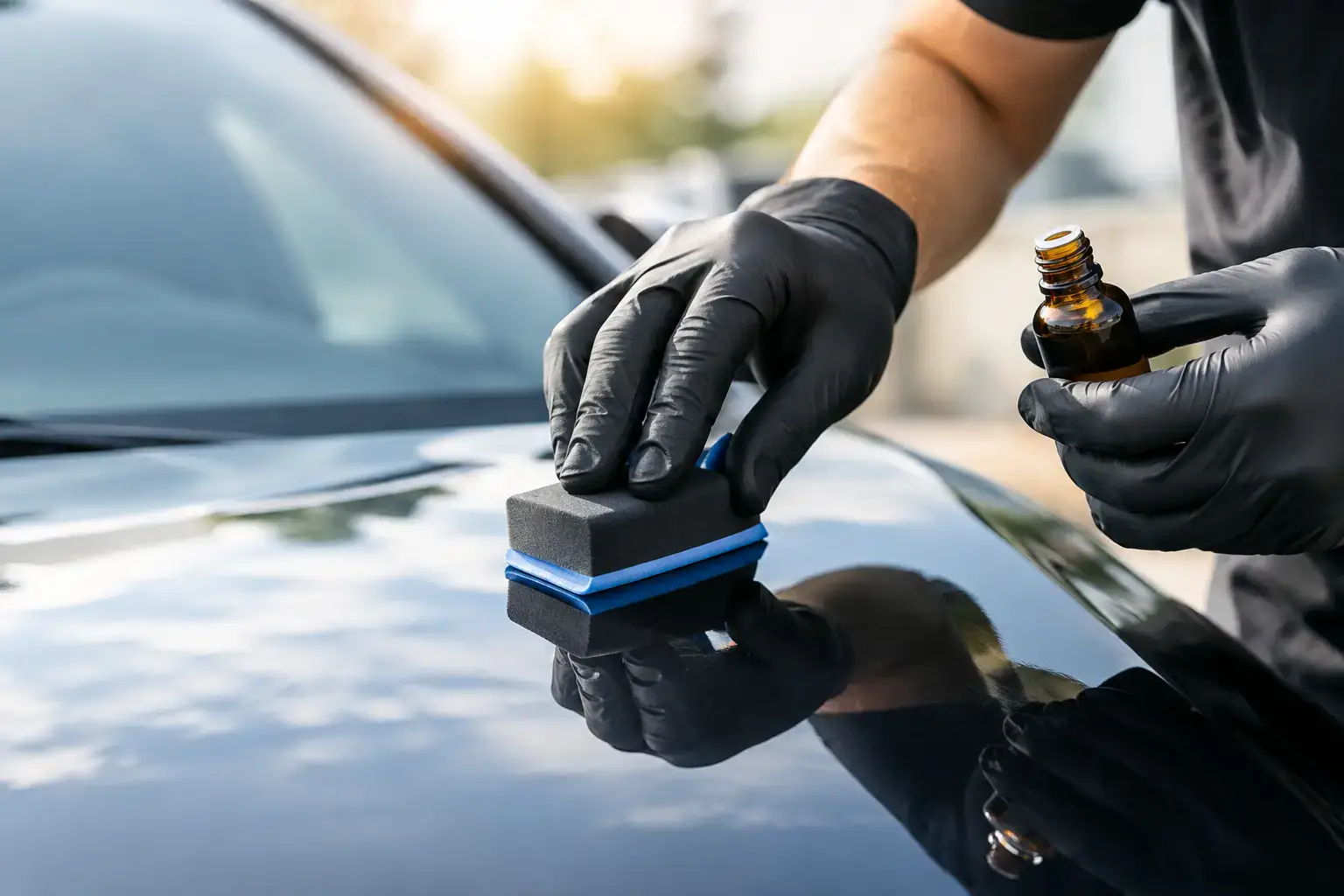
A shower enclosure can look permanently stained long before the glass itself has failed. The usual culprit is repeated exposure to hard water, soap residue, and minerals that cling to microscopic imperfections in the surface. That is where glass coating benefits become practical rather than cosmetic: a properly applied protective coating helps water and contaminants release more easily, preserving clarity while reducing the work required to maintain it.
For fabricators, glaziers, automotive professionals, and property owners, the value extends beyond a cleaner appearance. Protective coatings can support product differentiation, reduce service calls, improve long-term customer satisfaction, and help surfaces perform better in demanding environments.
How Protective Glass Coatings Change Surface Performance
Glass may appear smooth, but untreated glass contains microscopic peaks and valleys. Water, minerals, oils, soap scum, and airborne contaminants can settle into those irregularities. Over time, they create spots, haze, etching, and buildup that require increasingly aggressive cleaning.
A high-quality hydrophobic coating chemically bonds with silica-based surfaces. Rather than forming a temporary film that simply sits on top of the glass, the coating modifies how the surface interacts with water. Water beads and sheets away more readily, carrying loose dirt and residue with it. The result is a surface that is easier to clean and less likely to develop visible buildup between routine maintenance cycles.
Performance depends on several factors, including the coating chemistry, surface preparation, application quality, environmental exposure, and aftercare. A coating is not a substitute for cleaning, particularly in areas with hard water or heavy use. It is a surface-protection strategy that makes normal cleaning faster, less frequent, and less chemically demanding.
The Most Valuable Glass Coating Benefits
The clearest benefit is reduced maintenance. On untreated shower glass, water droplets dry in place and leave mineral deposits behind. On treated glass, less residue adheres to the surface, so a squeegee, microfiber cloth, or approved aftercare product can remove buildup before it becomes difficult to address. For hotels, multifamily properties, and facilities teams, even a modest reduction in cleaning time can create meaningful labor savings across many units.
Stain resistance is another major advantage. Hard-water minerals, soap scum, and grime do not disappear just because a coating is applied, but they are less likely to bond aggressively to a properly treated surface. This can help delay the dull, cloudy appearance that often leads customers to believe a shower door or window needs replacement.
Improved appearance also has commercial value. Clear shower enclosures better showcase tile, fixtures, and stonework. Clean architectural glass supports the visual intent of a building facade, railing system, or interior partition. In automotive applications, a water-repellent windshield treatment can improve wet-weather visibility by helping rain disperse from the viewing area.
Finally, coatings can help protect the perceived quality of a finished project. A premium shower enclosure, vehicle, or glass installation is judged after handoff, not only on installation day. Offering a proven protective treatment gives contractors and dealers a practical way to extend value beyond the initial sale.
Benefits by Application
Shower Doors and Bathroom Glass
Bathrooms are among the most demanding glass environments because they combine moisture, heat, soap, body oils, and mineral-heavy water. Without protection, shower glass can develop stubborn deposits surprisingly quickly, especially where water is allowed to dry naturally.
A hydrophobic coating helps reduce the attachment of waterborne minerals and soap residue. Homeowners still need a basic maintenance routine, but they can often avoid harsh abrasives and repeated deep-cleaning efforts. For shower-door manufacturers and dealers, this supports a stronger premium offering: not just glass and hardware, but a lower-maintenance ownership experience.
The trade-off is that expectations must be set correctly. Treated shower glass should be cleaned with compatible products, and users should avoid abrasive pads or cleaners that can compromise surface performance. In very hard-water regions, regular squeegeeing remains a worthwhile habit.
Automotive Windshields and Glass
For drivers, visibility is a safety and comfort issue. Rain, road film, bugs, and mineral residue can quickly reduce clarity, particularly during nighttime driving or changing weather. Hydrophobic windshield coatings encourage water to move off the glass more efficiently, helping drivers maintain a clearer field of view.
The benefits are most noticeable at driving speeds where airflow helps carry beaded water away. At low speeds or in heavy rainfall, windshield wipers remain necessary. A coating should be positioned as an added layer of visibility support, not a replacement for wipers, washer fluid, or regular glass care.
Automotive dealerships and detail professionals can use protective glass treatments to enhance the delivery experience and create an ongoing aftercare conversation. The strongest programs pair the initial application with clear maintenance instructions and a replenishment option when appropriate.
Architectural Glass, Railings, and Commercial Projects
Exterior glass faces rain, dust, pollution, irrigation overspray, and mineral deposits. Interior partitions, railings, and storefront systems face fingerprints, cleaning traffic, and frequent visual scrutiny. When glass is difficult to maintain, the cost is not limited to janitorial labor. It can affect tenant satisfaction, curb appeal, and the perceived condition of a property.
Coatings can help reduce adhesion of common contaminants, making scheduled cleaning more efficient and helping glass retain a cleaner appearance between service intervals. This is particularly relevant for railings, canopies, entrance systems, and other glass features that are highly visible but cumbersome to access.
For architects and specifiers, coating selection should be evaluated alongside glass type, location, cleaning access, climate, warranty requirements, and the project’s maintenance plan. A coating can add value, but it should be specified as part of a complete performance strategy rather than treated as a universal answer to every environmental condition.
Where the Business Value Comes From
Glass protection is often discussed as a consumer convenience, but its commercial value is broader. A fabricator or glazing professional can use protective coating as a differentiator in a competitive bid or showroom environment. Instead of competing solely on glass thickness, hardware, or installed price, the business can offer a performance feature that customers can understand immediately: less cleaning and a cleaner-looking surface over time.
For manufacturers, the right coating platform can also create operational consistency. Factory or onsite application methods, supported by purpose-built equipment, reduce variation and make it easier to integrate protection into a repeatable production process. Diamon-Fusion International supports this approach with patented coating technology, application systems, restoration solutions, and aftercare products designed to support the full life of a treated surface.
The aftermarket opportunity matters as well. A coating program supported by compatible cleaning products, maintenance guidance, and warranty documentation gives partners a reason to remain connected to customers after installation or vehicle delivery. That can increase trust while reducing the risk that improper cleaning practices undermine the coating’s performance.
What to Evaluate Before Choosing a Coating
Not all glass treatments deliver the same level of durability or protection. Some products are temporary water repellents that require frequent reapplication. Others are engineered to bond to silica-based surfaces and are intended for longer-term performance. The distinction affects cost, labor, customer expectations, and warranty potential.
Professionals should evaluate the application process as closely as the coating itself. Surface preparation is critical because contaminants, residues, or existing damage can interfere with bonding and visual results. For already stained or etched glass, restoration may be necessary before protection is applied. Coating over mineral buildup does not remove the underlying damage.
It is also wise to consider the full system: application equipment, installer training, documentation, maintenance products, and technical support. A coating program is more credible when the provider can help partners deliver a consistent result from preparation through aftercare.
A Cleaner Surface Is Only the Beginning
The best glass coating benefits are felt long after installation day. They show up when a homeowner spends less time fighting shower spots, when a building team can maintain visible glass more efficiently, and when a dealer delivers a vehicle with clearer wet-weather visibility. For businesses, that performance becomes a tangible promise customers can see, clean, and value over time.