
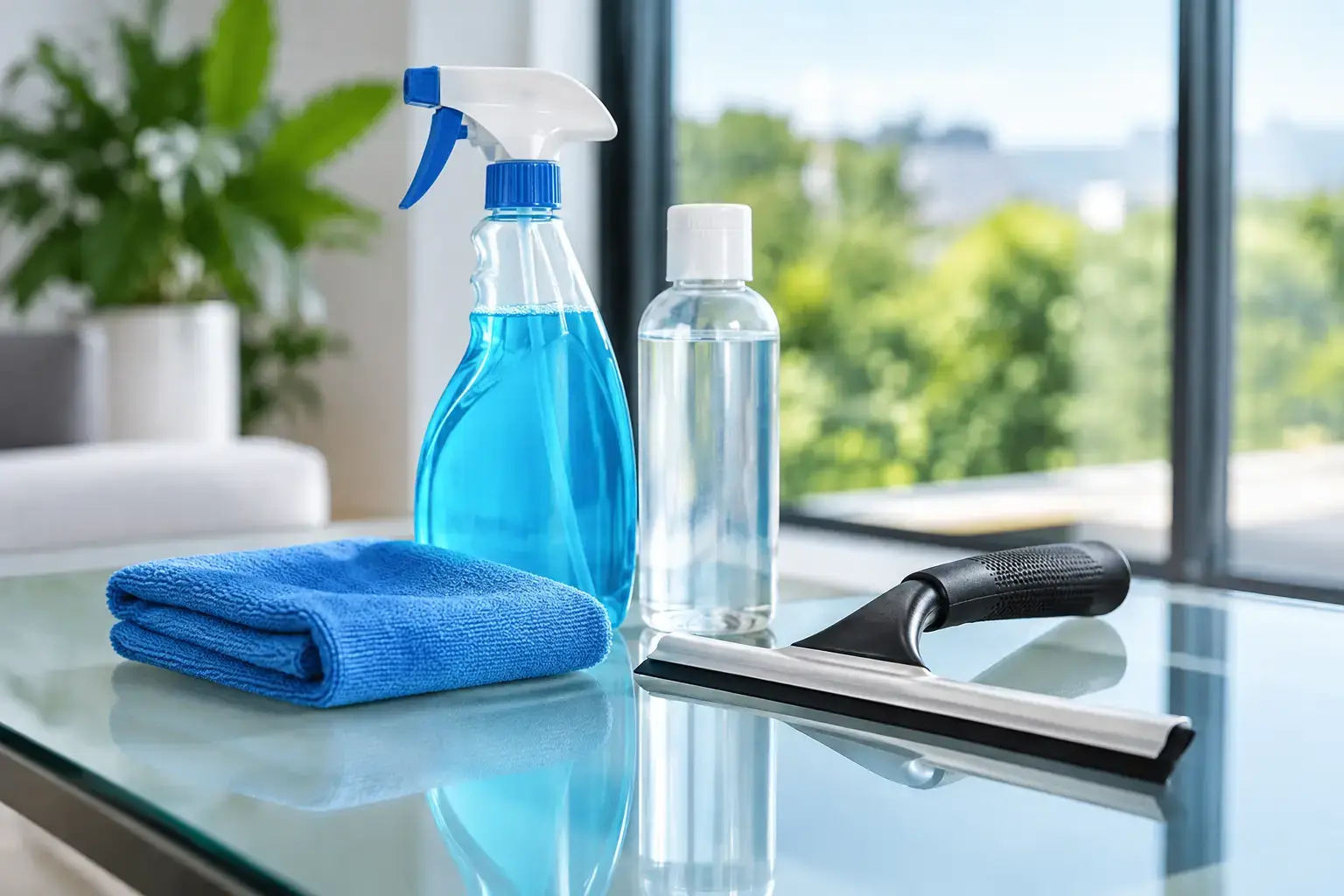
A coated shower enclosure can look new for years, but the wrong cleaner can leave it hazy in a single service call. A cleaning kit for coated glass should do more than remove visible grime. It should preserve the low-surface-energy performance that helps water bead, sheet away, and carry soap residue and minerals with it.
For homeowners, that means less time fighting hard-water spots. For fabricators, glazing contractors, dealerships, and facility teams, it means protecting a differentiated finish, reducing callbacks, and giving end users a credible maintenance routine. The kit is not an accessory to the coating system. It is part of the long-term performance strategy.
Why Coated Glass Needs a Different Cleaning Approach
Protective glass coatings are engineered to change how water and contaminants interact with silica-based surfaces. Hydrophobic performance reduces the surface area available for mineral deposits, soap scum, and everyday soil to cling to. That makes cleaning easier, but it does not make the surface maintenance-free.
The most common mistake is treating coated glass like untreated glass. Aggressive abrasives, highly acidic descalers, harsh alkaline degreasers, and scratch-prone pads may remove buildup quickly, yet they can create problems that the coating was selected to avoid. Some leave chemical residue. Others can alter the surface, create micro-scratches, or diminish clarity over time.
A proper aftercare program focuses on controlled cleaning rather than brute force. The goal is to remove contaminants before they bond heavily to the surface, while avoiding products and tools that compromise appearance or water-repellent behavior. This distinction matters most in high-use environments: hotel showers, multifamily properties, gym facilities, automotive inventory, and coastal architectural installations.
What a Cleaning Kit for Coated Glass Should Include
The right kit is simple by design. It should give an end user the products and tools needed to clean consistently without introducing unnecessary risk. A kit with too many generic chemicals often creates confusion, while a kit without instructions can lead users back to unsuitable household products.
A complete cleaning kit for coated glass should include these core components:
- A coating-compatible cleaner formulated to lift light soil, body oils, soap residue, and water spotting without relying on harsh abrasives.
- A clean, high-quality microfiber cloth for wiping and drying without lint, streaking, or unnecessary surface friction.
- A non-abrasive applicator or soft sponge for controlled cleaning where residue needs more contact time.
- A squeegee with a clean, flexible blade for routine shower-door maintenance and fast water removal.
- Clear care instructions that identify recommended cleaning frequency, approved tools, and products to avoid.
The cleaner is the center of the system, but the cloth and applicator matter just as much. A clean microfiber towel can remove film effectively with minimal pressure. A worn towel that has collected grit, metal particles, or dried residue can do the opposite. Professional installers and dealers should make this point during handoff: the tool must be clean before it touches the glass.
For hard-water environments, the kit should also support early intervention. Fresh mineral residue is substantially easier to remove than deposits that have been allowed to build for months. If staining has progressed beyond routine maintenance, a purpose-built restoration product may be needed before returning the surface to its standard cleaning schedule. Restoration and routine care are related, but they are not interchangeable.
Match the Care Routine to the Application
Shower Doors and Bathroom Glass
Shower glass faces a combination of mineral-rich water, soap, shampoo, body oils, and limited airflow. Daily squeegeeing after the last shower is one of the most effective ways to reduce spotting, especially in hard-water regions. Weekly cleaning with a coating-safe cleaner helps prevent the thin film that can dull the surface even when water still beads well.
Avoid scouring powders, rough scrub pads, and improvised tools such as razor blades unless a qualified glass professional has specified a restoration procedure. A shower door can look clean immediately after aggressive scrubbing while carrying damage that becomes visible later under bathroom lighting.
Automotive Glass
Windshields and side glass require a different balance. Road film, insects, washer-fluid residue, and airborne contaminants affect visibility as well as appearance. Use a cleaner designed for coated automotive glass, paired with a clean microfiber cloth that will not transfer waxes, silicone, or oily residue to the windshield.
For dealerships and detail operations, the aftercare message should be direct: coating performance supports clearer wet-weather visibility, but contaminated wiper blades can quickly reintroduce streaks and drag. Inspecting and maintaining wipers belongs in the same customer conversation as glass care.
Architectural Glass, Railings, and Commercial Glazing
Exterior glass is exposed to dust, pollution, irrigation overspray, salt air, and runoff from surrounding building materials. Cleaning frequency depends on location, orientation, water quality, and local conditions. A downtown facade near traffic may need a different schedule than protected interior railings or a residential window wall.
Commercial teams should specify an approved process, not merely an approved cleaner. That process should address water quality, cloth replacement, rinse practices, access equipment, and documentation. Consistency protects both the visual standard of the project and the expected service life of the coating.
Use the Kit in the Right Sequence
Technique determines whether a kit delivers its intended value. Excessive pressure and repeated dry wiping can turn a straightforward maintenance task into a source of haze and streaking. Train users to work with the cleaner, not against the surface.
Start by removing loose dust or grit with a gentle rinse where appropriate, or with a clean, lightly damp microfiber cloth. This reduces the chance of dragging particles across the glass. Apply the approved cleaner directly to the cloth or applicator unless its instructions specify otherwise, then spread it evenly across a manageable area.
Allow the product brief contact time to loosen residue. Do not let it dry on the glass. Wipe with light, overlapping passes, then use a second clean microfiber towel to buff away remaining moisture and residue. On shower doors, finish with a squeegee using straight, overlapping strokes and wipe the blade between passes.
If a spot remains, resist the urge to increase pressure or switch immediately to a harsh chemical. Identify the contaminant first. It may be mineral scale, silicone transfer, adhesive residue, or surface damage rather than ordinary soil. The correct response may be a targeted restoration procedure, professional evaluation, or replacement of contaminated cleaning tools.
Aftercare Is a Performance and Revenue Conversation
For glass professionals, a maintenance kit creates value beyond the initial coating application. It gives customers a practical way to protect their investment and reinforces why treated glass performs differently from standard glass. It can also reduce avoidable warranty questions caused by improper cleaning methods.
DFI’s patented Diamon-Fusion coating platform is designed around this full-system view: surface preparation, protective technology, restoration capability, and compatible aftercare each support the next. When dealers present maintenance as part of the delivered solution, they create a stronger ownership experience and a clearer point of differentiation.
The best care guidance is specific without being burdensome. Tell customers what to use, what to avoid, and how often to clean based on their water conditions and application. A shower in a hard-water market may need a more frequent routine than a low-use guest bath. Exterior glass near the coast may need more attention than protected interior glazing. Performance depends on conditions, and good aftercare accounts for them.
A well-chosen kit keeps coated glass looking like the premium surface it was intended to be. Give users the right tools early, and routine care remains a quick habit rather than an expensive restoration project.