
How to Protect Your Granite Countertops
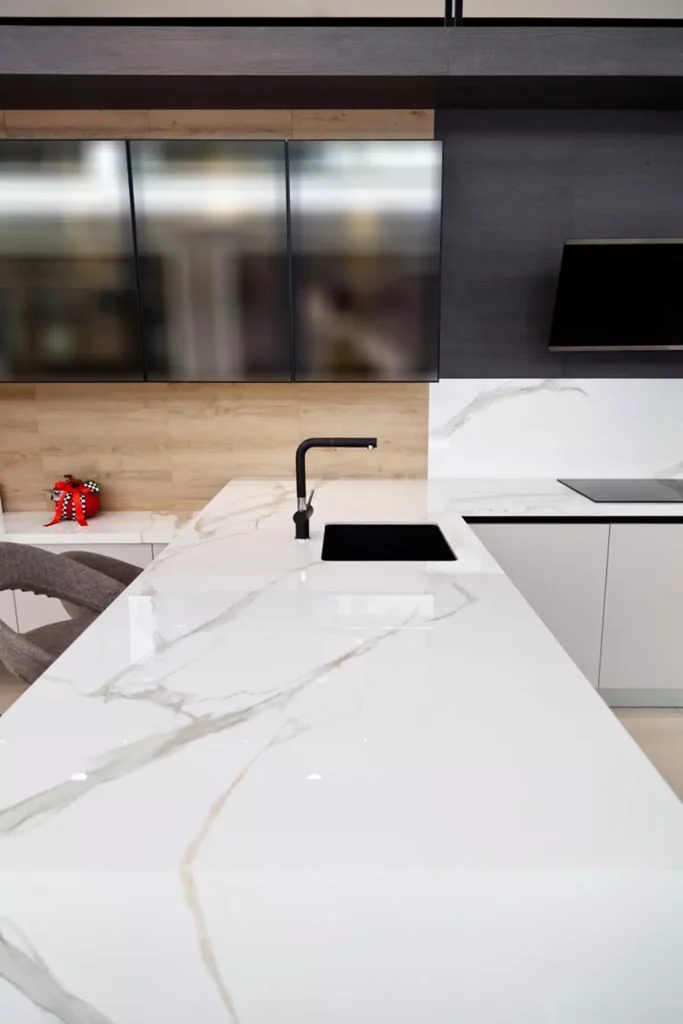
TL;DR: Wondering how to protect granite countertops and keep them looking beautiful for years? This guide covers the best maintenance practices to preserve your natural stone, prevent damage, and simplify everyday care.
- Learn how to protect granite countertops from stains by cleaning spills quickly and using protective treatments
- Discover how to protect granite countertops from heat with simple habits like using trivets and hot pads
- Find out why regular cleaning with a microfiber cloth is better than using harsh chemicals
- Explore the benefits of granite countertop protective film and long-lasting protective coatings
- See how proper care helps preserve your granite surface and extend the life of your kitchen countertops
Granite countertops are one of the most popular choices for kitchens because of their beauty, durability, and timeless appeal. As a natural stone, granite can withstand years of daily use, but it still benefits from proper maintenance. If you’re wondering how to protect granite countertops, the good news is that a few simple habits can keep them looking beautiful for decades.
From preventing stains to shielding the surface from heat and daily wear, this guide explains everything you need to know about protecting your investment.
Why Granite Needs Protection
Granite is incredibly strong, but it isn’t indestructible. Because it is a natural stone, it contains tiny pores that can absorb liquids if left unprotected. Over time, spills, grease, and minerals can penetrate the granite surface, leading to discoloration or permanent damage.
Fortunately, proper maintenance helps preserve both the appearance and durability of your countertops while reducing the need for expensive restoration.
How to Protect Granite Countertops Every Day
The best way to protect granite countertops is through consistent daily care. Small habits make a significant difference over the long term.
Start by wiping up spills as soon as they happen. Coffee, wine, cooking oils, citrus juices, and sauces are some of the most common causes of stains if they’re allowed to sit. Daily regular cleaning also helps remove dirt and residue before it can build up on the surface.
Use the Right Cleaning Products
Many homeowners mistakenly believe stronger cleaners produce better results. In reality, harsh chemicals can gradually wear away protective sealers and reduce the lifespan of your countertops.
Instead, use cleaners specifically designed for stone surfaces or mild soap and warm water. After cleaning, dry the countertop with a clean microfiber cloth to remove moisture and prevent streaking.
A microfiber cloth is gentle enough to protect the polished finish while effectively lifting dirt and fingerprints.
How to Protect Granite Countertops From Stains
One of the most common questions homeowners ask is how to protect granite countertops from stains.
The answer begins with prevention.
Seal your granite according to the manufacturer’s recommendations, and avoid allowing liquids to remain on the surface for extended periods. Protective treatments help reduce absorption and make cleanup much easier.
Simple habits also help prevent stains, including:
- Wiping spills immediately
- Using coasters under drinks
- Placing cutting boards beneath food preparation
- Keeping soap dispensers on trays instead of directly on the stone
These small precautions go a long way toward preserving the beauty of your granite.
How to Protect Granite Countertops From Heat
Many people assume granite is completely immune to heat because it forms naturally under intense temperatures. While granite is highly heat resistant, sudden temperature changes can still create stress within the stone.
If you’re wondering how to protect granite countertops from heat, always use trivets or hot pads beneath cookware coming directly from the oven or stovetop.
This simple practice protects both the stone and any protective treatment that has been applied.
Should You Use Granite Countertop Protective Film?
Some homeowners consider installing granite countertop protective film during remodeling projects or heavy construction. Temporary films can help shield countertops from dust, paint, scratches, and construction debris.
For everyday use, however, long-lasting protective coatings designed specifically for stone surfaces often provide a more practical solution. These treatments help repel moisture, simplify cleaning, and preserve the appearance of the granite without changing its natural beauty.
Develop Proper Care Habits
The secret to beautiful countertops isn’t complicated. It comes down to proper care performed consistently over time.
Avoid dragging heavy cookware across the surface, which can scratch the finish. Clean spills promptly, use cutting boards during food preparation, and avoid exposing the countertop to unnecessary chemicals.
These simple habits help maintain both the appearance and performance of your granite.
Long-Term Protection Matters
Learning how do you protect granite countertops isn’t just about keeping them clean today. It’s about preserving their value for years to come.
Quality protective treatments create a barrier that helps resist moisture, oils, and contaminants while making regular cleaning faster and easier. Combined with good maintenance habits, these products help your countertops stay attractive with less effort.
Over the long term, preventative care is almost always less expensive than repairing etched, stained, or damaged stone.
Keep Your Kitchen Looking Its Best
Beautiful kitchen countertops become the centerpiece of any kitchen. Protecting them doesn’t require complicated routines or expensive equipment—just consistent attention and the right products.
Clean spills promptly, avoid harsh chemicals, use a microfiber cloth for daily maintenance, and follow recommended sealing schedules. If additional protection is desired, specialized stone coatings can further reduce maintenance while helping prevent stains and preserve the finish.
The Bottom Line on Treating Granite Countertops
Knowing how to protect granite countertops allows you to enjoy their beauty for many years. By combining proper care, regular cleaning, and high-quality protective products, you can preserve your natural stone investment while minimizing wear and maintenance.
From learning how to protect granite countertops from heat to understanding how to protect granite countertops from stains, every small step contributes to a cleaner, more durable granite surface. With the right approach, your kitchen countertops will continue to provide elegance, functionality, and lasting value for years to come.

About Diamon-Fusion International
Diamon-Fusion International (DFI) is one of the largest hydrophobic coating suppliers in the world. The company specializes in the development of easy-to-clean, protective coatings, restoration products, and automated machinery for the glass industry, as well as other silica-based surfaces.
Social Media Channels
TL;DR: Wondering how to protect granite countertops and keep them looking beautiful for years? This guide covers the best maintenance practices to preserve your natural stone, prevent damage, and simplify everyday care.
- Learn how to protect granite countertops from stains by cleaning spills quickly and using protective treatments
- Discover how to protect granite countertops from heat with simple habits like using trivets and hot pads
- Find out why regular cleaning with a microfiber cloth is better than using harsh chemicals
- Explore the benefits of granite countertop protective film and long-lasting protective coatings
- See how proper care helps preserve your granite surface and extend the life of your kitchen countertops
Granite countertops are one of the most popular choices for kitchens because of their beauty, durability, and timeless appeal. As a natural stone, granite can withstand years of daily use, but it still benefits from proper maintenance. If you’re wondering how to protect granite countertops, the good news is that a few simple habits can keep them looking beautiful for decades.
From preventing stains to shielding the surface from heat and daily wear, this guide explains everything you need to know about protecting your investment.
Why Granite Needs Protection
Granite is incredibly strong, but it isn’t indestructible. Because it is a natural stone, it contains tiny pores that can absorb liquids if left unprotected. Over time, spills, grease, and minerals can penetrate the granite surface, leading to discoloration or permanent damage.
Fortunately, proper maintenance helps preserve both the appearance and durability of your countertops while reducing the need for expensive restoration.
How to Protect Granite Countertops Every Day
The best way to protect granite countertops is through consistent daily care. Small habits make a significant difference over the long term.
Start by wiping up spills as soon as they happen. Coffee, wine, cooking oils, citrus juices, and sauces are some of the most common causes of stains if they’re allowed to sit. Daily regular cleaning also helps remove dirt and residue before it can build up on the surface.
Use the Right Cleaning Products
Many homeowners mistakenly believe stronger cleaners produce better results. In reality, harsh chemicals can gradually wear away protective sealers and reduce the lifespan of your countertops.
Instead, use cleaners specifically designed for stone surfaces or mild soap and warm water. After cleaning, dry the countertop with a clean microfiber cloth to remove moisture and prevent streaking.
A microfiber cloth is gentle enough to protect the polished finish while effectively lifting dirt and fingerprints.
How to Protect Granite Countertops From Stains
One of the most common questions homeowners ask is how to protect granite countertops from stains.
The answer begins with prevention.
Seal your granite according to the manufacturer’s recommendations, and avoid allowing liquids to remain on the surface for extended periods. Protective treatments help reduce absorption and make cleanup much easier.
Simple habits also help prevent stains, including:
- Wiping spills immediately
- Using coasters under drinks
- Placing cutting boards beneath food preparation
- Keeping soap dispensers on trays instead of directly on the stone
These small precautions go a long way toward preserving the beauty of your granite.
How to Protect Granite Countertops From Heat
Many people assume granite is completely immune to heat because it forms naturally under intense temperatures. While granite is highly heat resistant, sudden temperature changes can still create stress within the stone.
If you’re wondering how to protect granite countertops from heat, always use trivets or hot pads beneath cookware coming directly from the oven or stovetop.
This simple practice protects both the stone and any protective treatment that has been applied.
Should You Use Granite Countertop Protective Film?
Some homeowners consider installing granite countertop protective film during remodeling projects or heavy construction. Temporary films can help shield countertops from dust, paint, scratches, and construction debris.
For everyday use, however, long-lasting protective coatings designed specifically for stone surfaces often provide a more practical solution. These treatments help repel moisture, simplify cleaning, and preserve the appearance of the granite without changing its natural beauty.
Develop Proper Care Habits
The secret to beautiful countertops isn’t complicated. It comes down to proper care performed consistently over time.
Avoid dragging heavy cookware across the surface, which can scratch the finish. Clean spills promptly, use cutting boards during food preparation, and avoid exposing the countertop to unnecessary chemicals.
These simple habits help maintain both the appearance and performance of your granite.
Long-Term Protection Matters
Learning how do you protect granite countertops isn’t just about keeping them clean today. It’s about preserving their value for years to come.
Quality protective treatments create a barrier that helps resist moisture, oils, and contaminants while making regular cleaning faster and easier. Combined with good maintenance habits, these products help your countertops stay attractive with less effort.
Over the long term, preventative care is almost always less expensive than repairing etched, stained, or damaged stone.
Keep Your Kitchen Looking Its Best
Beautiful kitchen countertops become the centerpiece of any kitchen. Protecting them doesn’t require complicated routines or expensive equipment—just consistent attention and the right products.
Clean spills promptly, avoid harsh chemicals, use a microfiber cloth for daily maintenance, and follow recommended sealing schedules. If additional protection is desired, specialized stone coatings can further reduce maintenance while helping prevent stains and preserve the finish.
The Bottom Line on Treating Granite Countertops
Knowing how to protect granite countertops allows you to enjoy their beauty for many years. By combining proper care, regular cleaning, and high-quality protective products, you can preserve your natural stone investment while minimizing wear and maintenance.
From learning how to protect granite countertops from heat to understanding how to protect granite countertops from stains, every small step contributes to a cleaner, more durable granite surface. With the right approach, your kitchen countertops will continue to provide elegance, functionality, and lasting value for years to come.
READY TO PROTECT YOUR SHOWER GLASS?
Diamon-Fusion® is available through a network of Certified Diamon-Fusion® Dealers throughout the country who are professionally trained and equipped to protect your shower doors. For new shower door applications, please use the Online Dealer Locator below. For existing glass applications, please visit www.shopdfi.com.


About Diamon-Fusion International
Diamon-Fusion International (DFI) is one of the largest hydrophobic coating suppliers in the world. The company specializes in the development of easy-to-clean, protective coatings, restoration products, and automated machinery for the glass industry, as well as other silica-based surfaces.